Smart Lock Anatomy: Understanding the Components of a Smart Deadbolt Lock
While traditional deadbolts rely on physical keys, a smart deadbolt lock offers a keyless and convenient way to secure your home. But what makes them tick? Let's delve into the anatomy of a smart lock and understand the components that bring it to life:
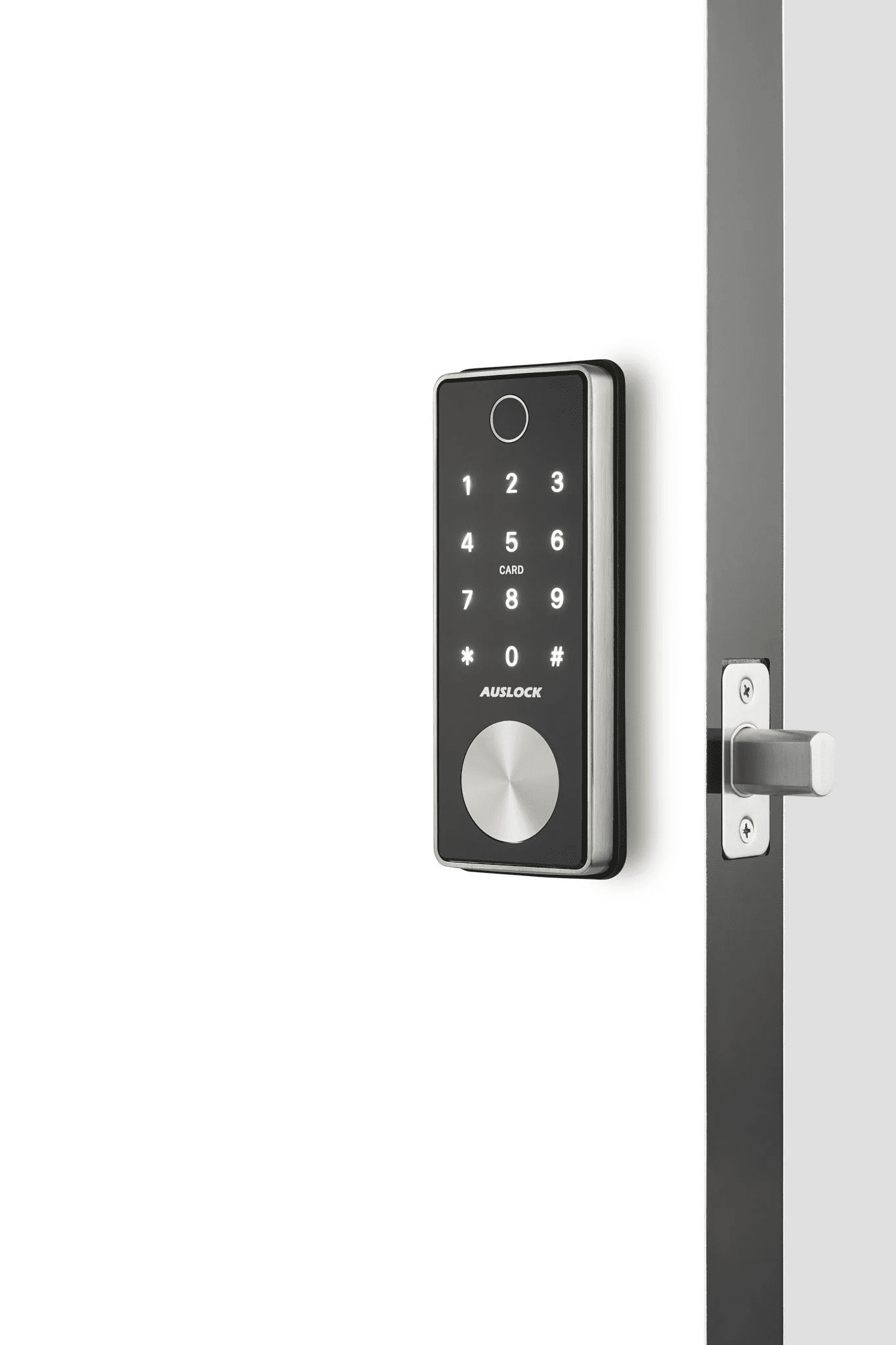
- The Familiar: The Physical Lock Mechanism
At its core, a smart deadbolt retains the traditional smart lock parts and mechanism you're familiar with. This includes the deadbolt itself, the latch that secures the door, and the thumb turn for manual locking from the inside. This ensures you still have a reliable physical barrier even if the electronic components fail.
- The Brains of the Operation: The Microcontroller
This tiny computer is the heart of the smart lock. It receives signals from the various components and translates them into actions. Whether it's interpreting a keypad code, a smartphone app command, or a Bluetooth signal, the microcontroller controls the locking and unlocking mechanisms.
- Communication Channels: Bluetooth, Wi-Fi, or Z-Wave
Smart locks need a way to communicate with your smartphone or other devices. This is achieved through wireless technologies like Bluetooth, Wi-Fi, or Z-Wave. Bluetooth offers a short-range connection suitable for unlocking with your phone nearby. Wi-Fi allows for remote access from anywhere with an internet connection. Z-Wave is a low-power wireless protocol specifically designed for smart home devices, offering good range and reliability.
- Access Control: Keypads, Biometric Sensors, and More
Smart locks offer various ways to unlock them besides a physical key. A common option is a keypad where you enter a pre-programmed code. Some models incorporate biometric sensors like fingerprint scanners for added security. You might even find options for unlocking via voice commands or smartwatches.
- Power Source: Batteries or Hardwired
Most smart locks are battery-powered, offering convenient installation. However, some high-end models might be hardwired for a more reliable power source. The lock will typically alert you when battery levels are low to avoid getting locked out.
Understanding these key components will help you choose the perfect smart lock for your needs. With the right choice, you can enjoy the convenience and peace of mind that smart deadbolts offer.


Comments
Post a Comment